Living and breathing within an ecosystem that prides itself on remaining at the edge of technological advancements and innovative possibilities creates numerous opportunities, but also a variety of potential difficulties.

However, when it comes to iGaming, just how much of the above is relevant? Or is there a slight sense of being blinded by the level at which boundaries are truly being pushed?

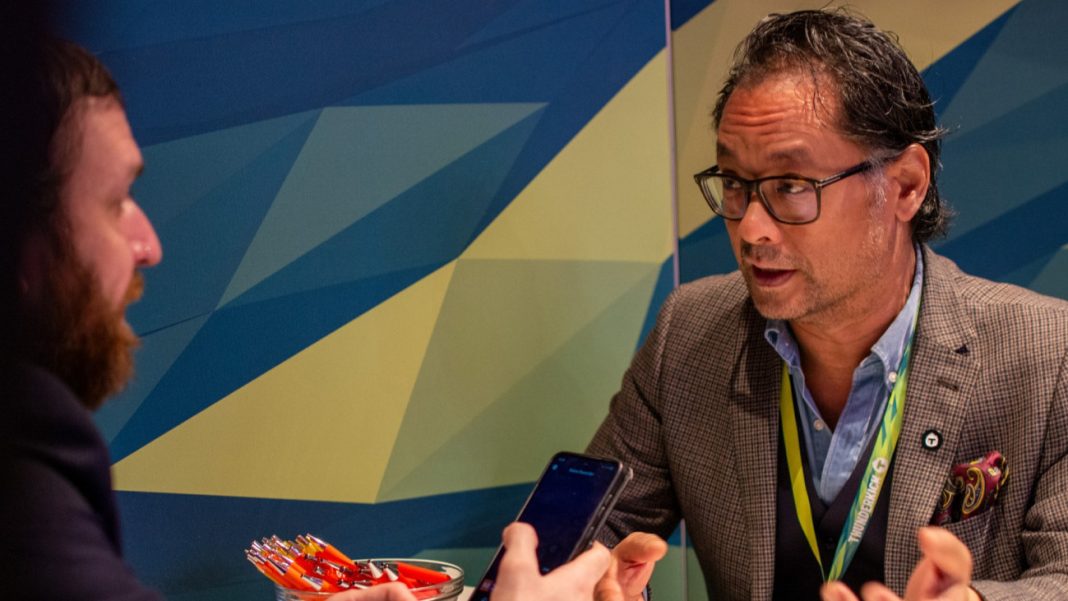
With this in mind, Thunderkick Chief Commercial Officer, Svante Sahlström, speaking at ICE, looks at the opportunities that lie ahead as the studio plots to make further headway, and why this is defined by a current trend being witnessed across the industry.
Innovation? What innovation?
The above is a word that is often thrown around with very little thought of its effectiveness and relevance to the issues at hand.

Innovation often comes accompanied with a number of trends that are evident year after year, but just what will define the road that lies ahead for the iGaming industry?

“I just walked around the floor here and, to be honest, I don’t see that many new things in games themselves, as opposed to when crash games came out, for example, and it was like ‘wow, this is new’,” he says.

“I still see a lot of sequels with game number five or six and so on. I think that franchises are still the major trend. This is what we are doing as well. We have the third in the Wildos series coming up, one of our bestselling examples that has more features added into it and so on.”

Sequels and franchises are far from a new phenomenon. However, they have undoubtedly risen in prominence across recent times as suppliers look for familiarity to capture the imagination of players.

Despite this, are they an underutilised strategy within the slot scene? For Sahlström, this depends on the specific aspect that a developer views each, in addition to the strategies set forth.

“It’s like in the movie business, for example,” he comments. “If you like the first then you will want to see the second, and so on. You get a lot closer to the characters, you are getting more deeply familiarised and you want to get more out of it.

“It’s a natural thing, and it also raises an eyebrow when number two or three is coming, et cetera. It’s an easy step or threshold in marketing as well.”
It’s all a game of balance
Despite the above, sequels and franchises cannot do all of the heavy lifting alone. As retention becomes an increasingly critical talking point, Sahlström warns of being too heavy handed when a particular aspect of the industry rises in prominence.

Put simply, it’s all about weighing up what will be effective between familiarity and standalone titles, in addition to slightly changing things up if a pursuit of title two, three et cetera is sought.

“For us as a B2B supplier, you need to balance that with new titles,” Sahlström comments. “You can always do another sequel if you want to, but you can’t always go for sequences.

“I don’t know if this is a trend or not, but more narrative games get you deeply involved with characters, new worlds, new games.

“3 Wildos is a little loosely based around a collection of popular movie characters, such as The Good, the Bad and the Ugly. The first one was based on characters that were like good villains, but now they’re being a little more personal with the character.

“When you have the chance to go to the next game, you need to balance that.”

With optimism heightened, it is essential that you time when to pull the plug on what can be perceived as a popular family of slots.

As Sahlström notes, this simply boils down to interest dying, KPIs not being where they should be and the game not performing as standard, but another avenue of pursuit does exist.

“We have to do something new, but for me personally, I would like to see cameo roles like in the movies,” he notes. “A kind of easter egg of something that would be rewarding for your truly loyal players.”

As loyalty ensures that players keep coming back for more, all roads lead to Thunderkick’s specific strategy when it comes to pursuing franchise and sequel-based output.

Upon being pushed on if this is an avenue being pursued, Sahlström simply states “very actively”, with plenty of irons in the fire.

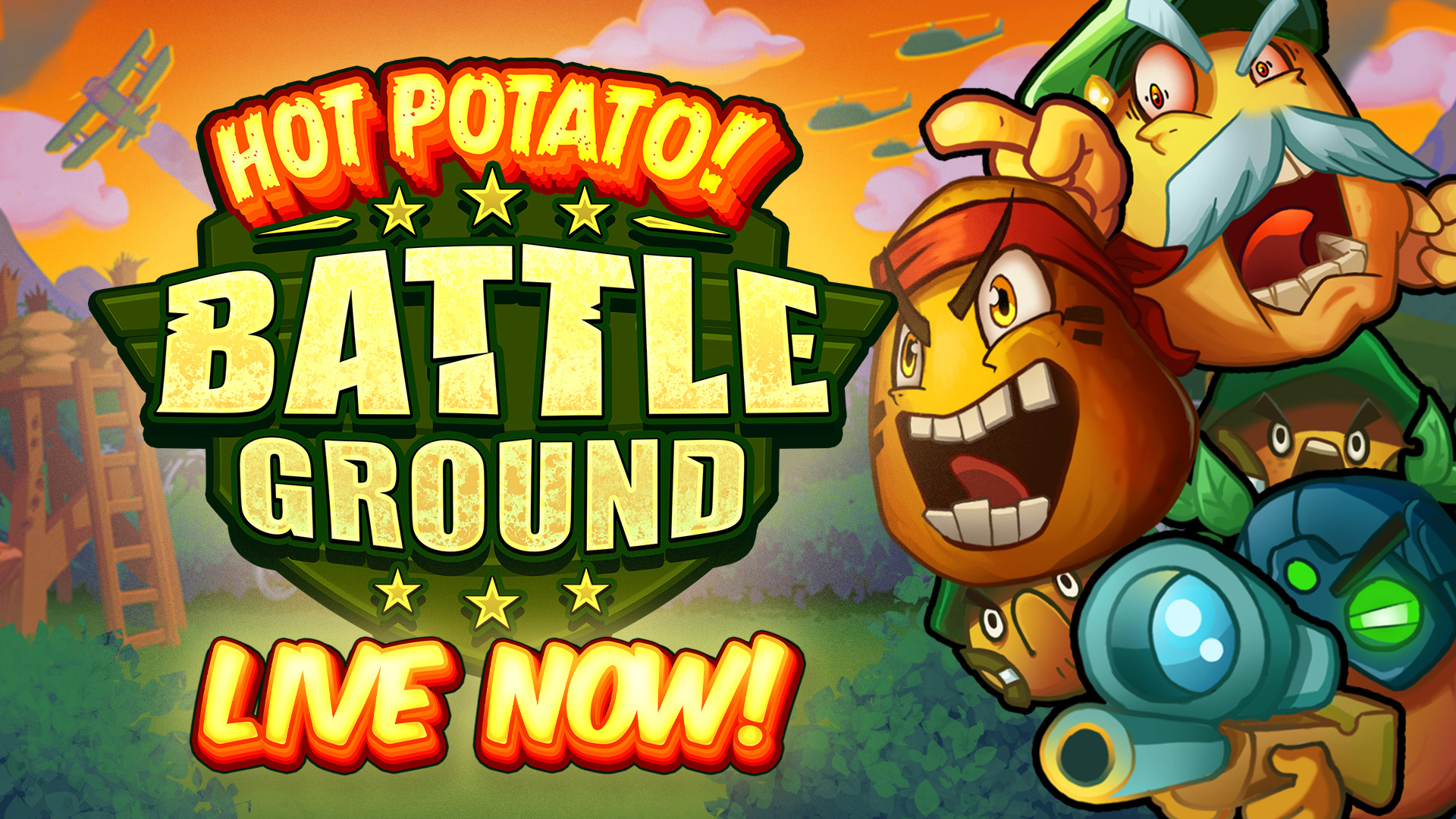
“We’re doing Midas 3 again, and we’re doing Wildos as well,” Sahlström adds. “Hot Potato was such a huge success that we also released Hot Turkey, which was a Christmas game.

“We’re also doing another. The name is not 100 per cent set, but War Potato, which will be a sequel. It won’t be named number two, but it certainly falls within the franchise.”

“We’ll be adding more functionalities. It’s a cluster game, but it still has something added so you are looking away from the old game.”
New geographies and future roadmaps
Any future progression often hinges on the plan of action when it comes to strengthening in current geographies, or entering fresh territories that have been identified as potentially offering a world of riches.

For Thunderkick, a move into regulated U.S. states, such as New Jersey and Michigan, is in the horizon, where it is said “we are live with social but are looking into the regulated real-money gaming markets as well”, also falling on the radar.

From a roadmap perspective, there’s one distinct vision that Thunderkick is looking to exploit.

Sahlström concludes: “Midas will be a three pot game. We are planning to introduce a number of three pot games. 3 Wildos will be the first one out, and then we’ll introduce more. Pot games will be the new game functionality for us.”